Tech Talks
The Intelligence Revolution
4 min
May 12, 2026
Executive Summary:
In 2026, the traditional "Build vs. Buy" software dilemma is dead. By combining Artificial Intelligence (AI) with Low-Code development, businesses can now deploy custom, intelligent systems in weeks rather than months. This "Power Couple" allows companies to automate complex reasoning, unify disconnected tools, and scale without the massive overhead of traditional custom code.
The End of the "One-Size-Fits-None" Software Era
For years, businesses were trapped in a binary choice: settle for rigid, "ready-made" software that didn't quite fit, or drain the budget on custom-coded solutions that took a year to launch.
Today, that gap has vanished. The synergy of AI and Low-Code is changing the goalpost. We are no longer just building apps; we are building evolving ecosystems that learn, adapt, and grow alongside your team.
1. From “Drag-and-Drop” to “Think-and-Deploy”
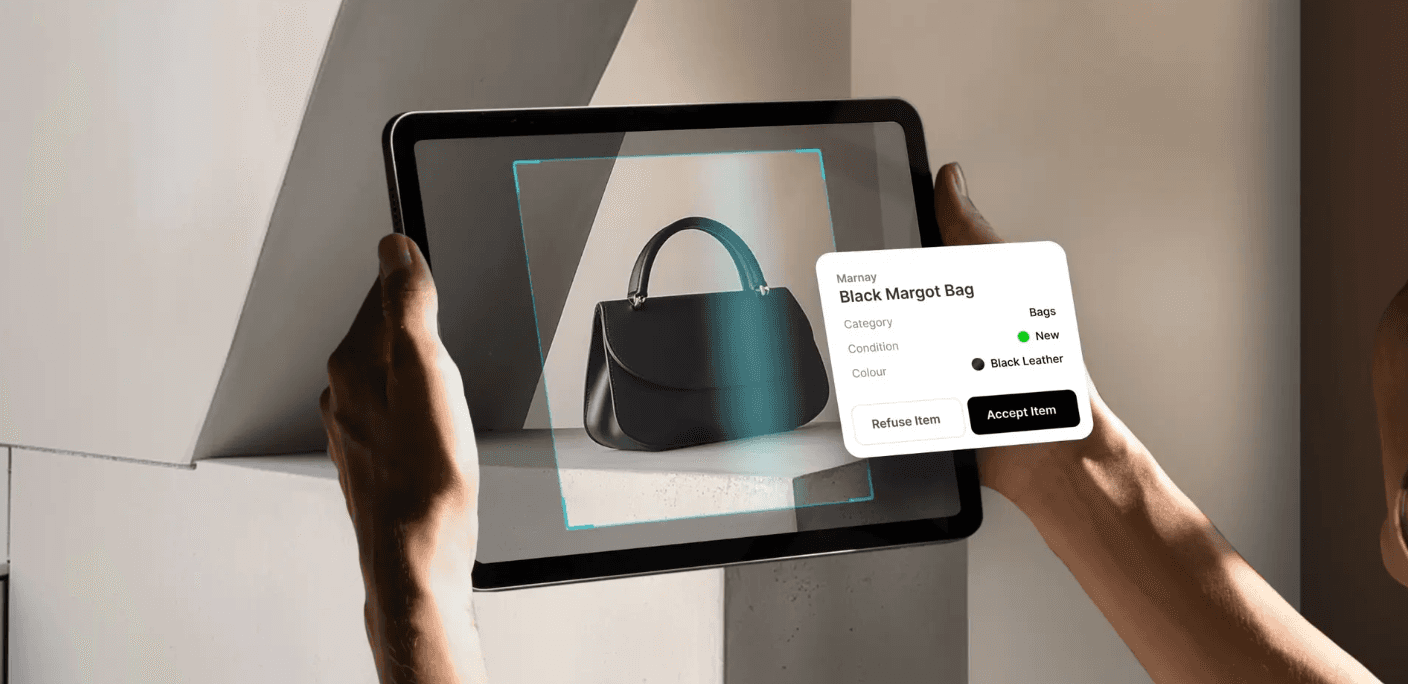
Low-code platforms initially won by replacing syntax with visual "drag-and-drop" tools. But AI has moved the needle further.
Generative Development: Instead of manually building every field, developers now use natural language prompts to generate entire business logics.
Proactive Error Handling: AI assistants now act as "co-pilots," identifying potential workflow bottlenecks before a single user clicks "Submit."
Speed as a Strategy: At Swift Struck, we’ve seen this reduce development cycles to just 2 to 4 weeks, allowing businesses to test market theories in real-time.
2. Beyond "If-This-Then-That": Smarter Workflow Automation
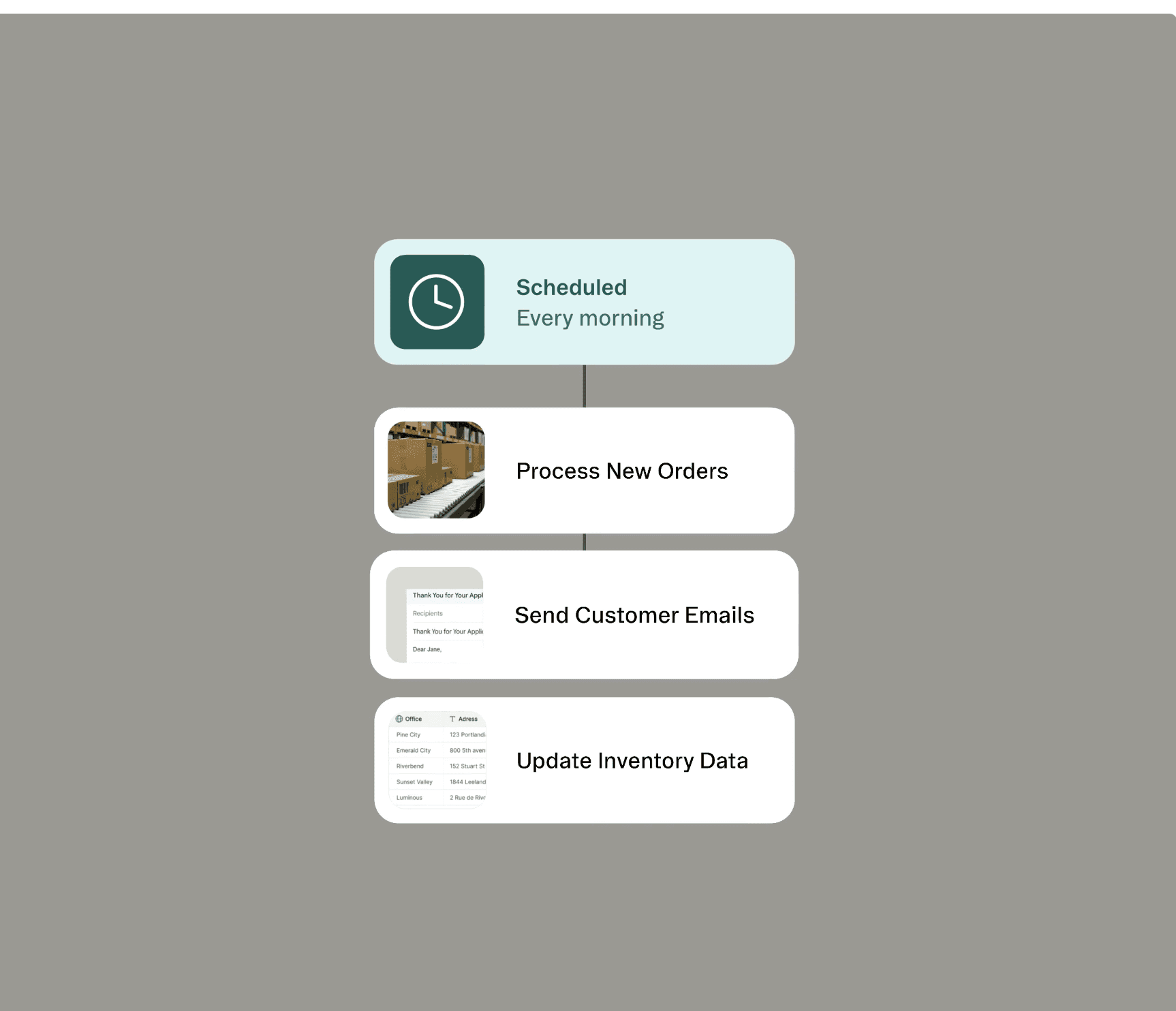
Standard automation is binary: "If a form is submitted, send an email." AI-integrated low-code systems bring reasoning to the process. These systems don't just move data; they understand it.
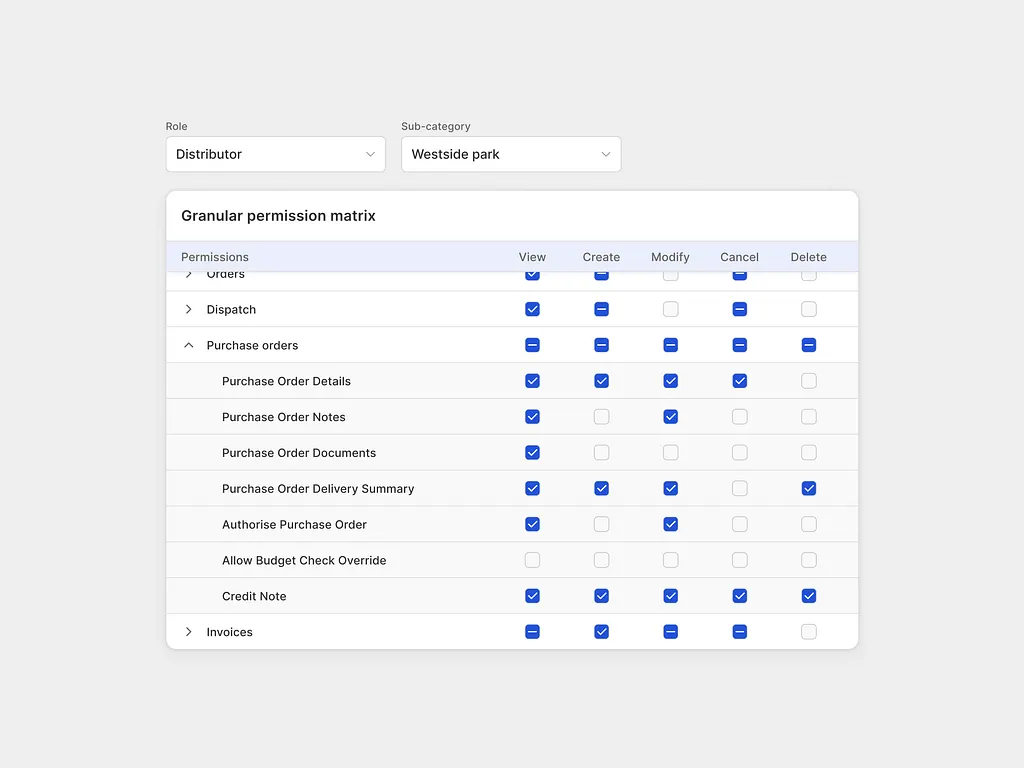
Document Intelligence: The system can read an incoming contract, categorize the risk level, and decide whether to auto-approve it or escalate it to a human manager.
Cognitive Load Reduction: By handling the "thinking" behind repetitive tasks, your team is freed up for high-level strategy and client relationships.
3. Solving "SaaS Fatigue" and Disconnected Data
Most growing businesses are drowning in "Tool Fatigue"—one app for sales, another for HR, and a dozen spreadsheets acting as the "glue" in between.
Custom low-code applications act as a unified command center. Because these platforms are highly integrable, AI can analyze data across your entire stack. Instead of looking at 10 different dashboards, you get one AI-powered "Growth GPS" (like our Strato Score™) that tells you exactly where your business stands.
4. Future-Proofing: Scale Without the Maintenance Drama
The biggest fear of custom software used to be: "Who fixes it when it breaks?"
In the new revolution, AI helps maintain the code it helped build.
Auto-Updates: Systems stay current with the latest security standards automatically.
Elastic Scalability: Whether you have 10 users or 10,000, AI-driven architectures adjust resource allocation in the background, ensuring your software never feels "sluggish" as you grow.
Why Swift Struck?
At Swift Struck, we don’t just build apps; we architect clarity. We believe that since every business works differently, your software should too.
By combining the speed of low-code with the brainpower of AI, we deliver enterprise-grade systems without the enterprise-grade "drama." Whether you are a solo-preneur building a prototype or a large enterprise syncing complex databases, we build the systems that work the way you do.
Ready to transform your workflow?