Tech Talks
Moving Beyond the Grid: Why Your Business Logic Deserves More Than a Spreadsheet
Swift Struck
3 min read
Mar 17, 2026
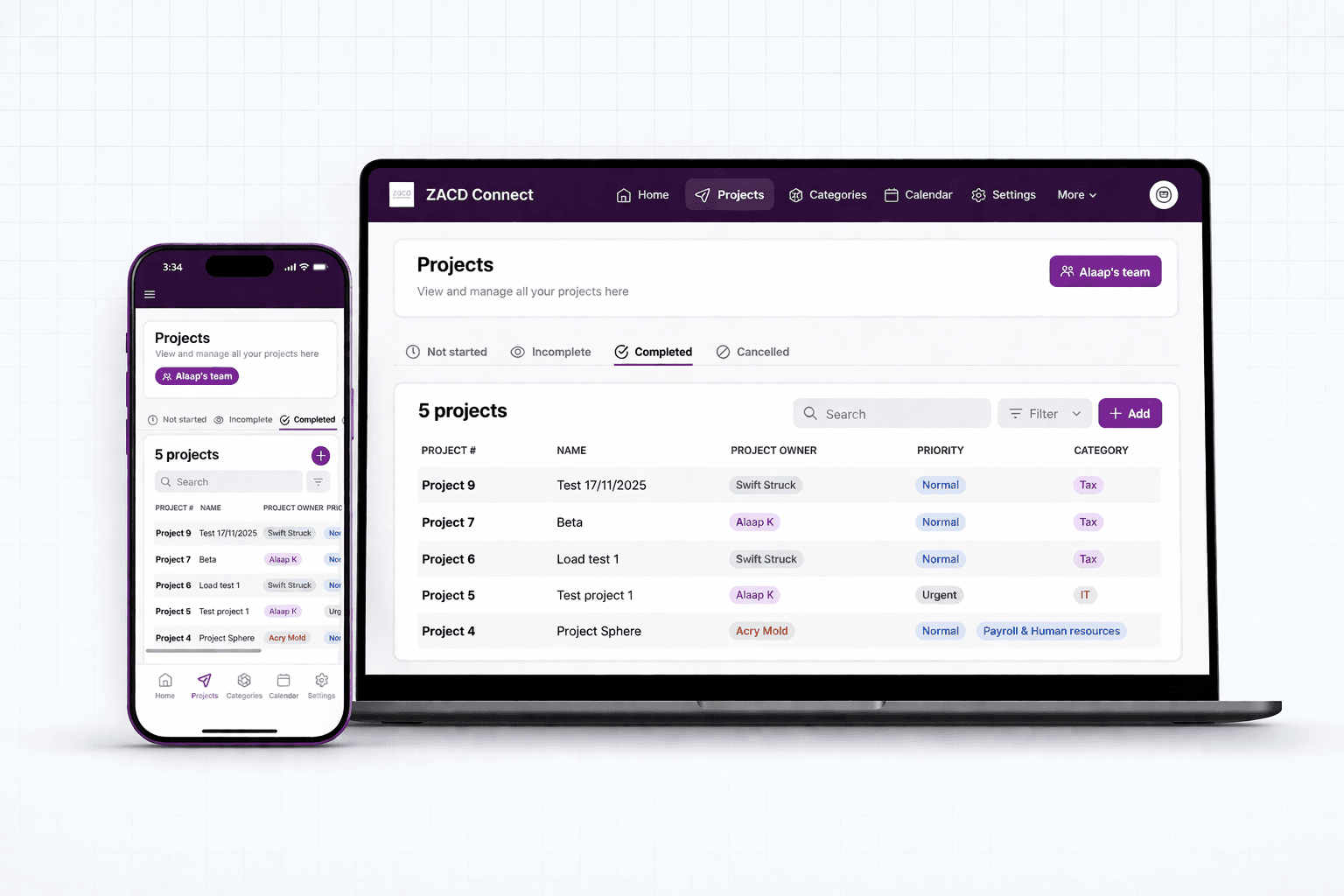
There is a specific kind of comfort in a spreadsheet. It’s where most of our greatest ideas begin. It’s a blank canvas where you can track an order, manage a client list, or calculate a margin with nothing more than a few rows and columns. It’s the foundation of business tech.
But as we move through 2026, many business owners are starting to feel a familiar, quiet anxiety. It’s the feeling of opening a file and realizing it has become too big to manage. It’s the "V3_Final_Copy_Updated" version of a document that three different people are trying to edit at once.
At a certain point, the very tool that gave you organized clarity starts to become your biggest bottleneck.
The Invisible Weight of the "Manual" Process
The problem isn't that spreadsheets are bad; it’s that they are passive. A spreadsheet doesn't know your business rules. It doesn't know that if a shipment is delayed, the customer needs a follow-up. It doesn't know that if inventory hits a certain level, an order should be placed.
You have to know those things. You, or your team, have to remember to check the cells, run the math, and send the emails.
In 2026, this is what we call "Mental Overhead." When your business relies on a grid, you aren't just managing data—you are managing the memory of how that data is supposed to move. This is the bottleneck that keeps a small operation from becoming a scalable SaaS-level powerhouse. You can hire more people, but if they are all just staring at the same confusing rows, you haven't solved the problem; you’ve just made the room more crowded.
What an "App" Actually Does for Your Brain
When we talk about moving to a custom app, we aren't just talking about a prettier interface. We are talking about taking the "logic" out of your head and integrating it directly into the software itself.
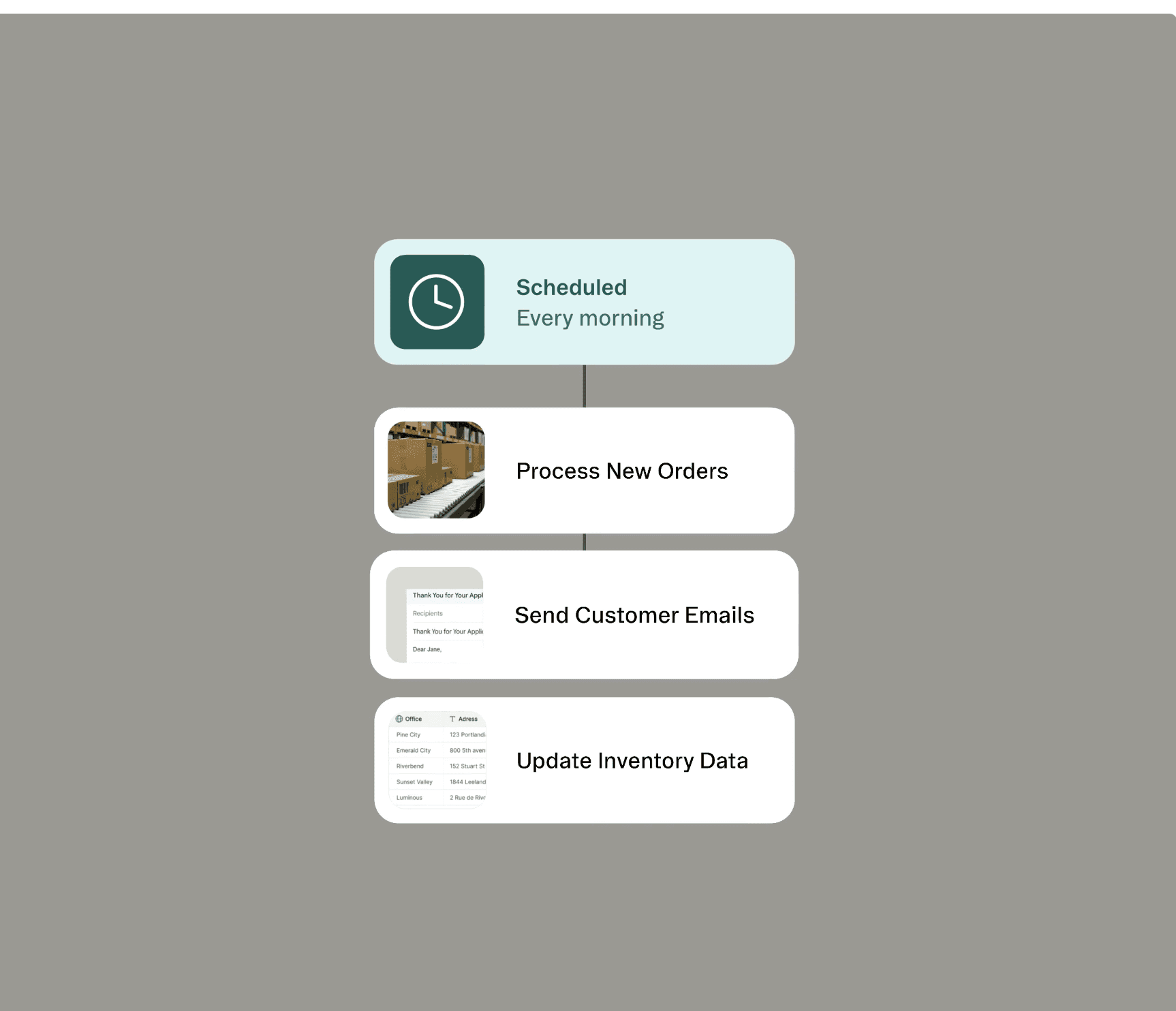
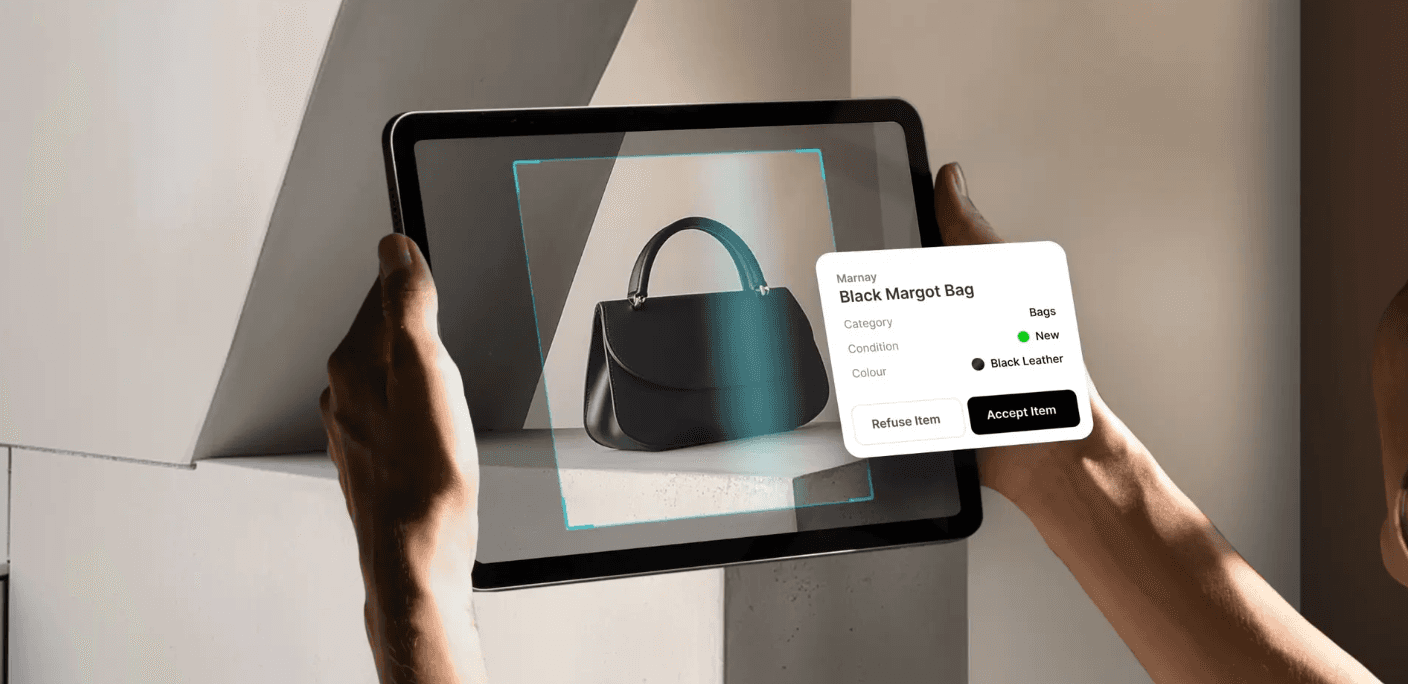
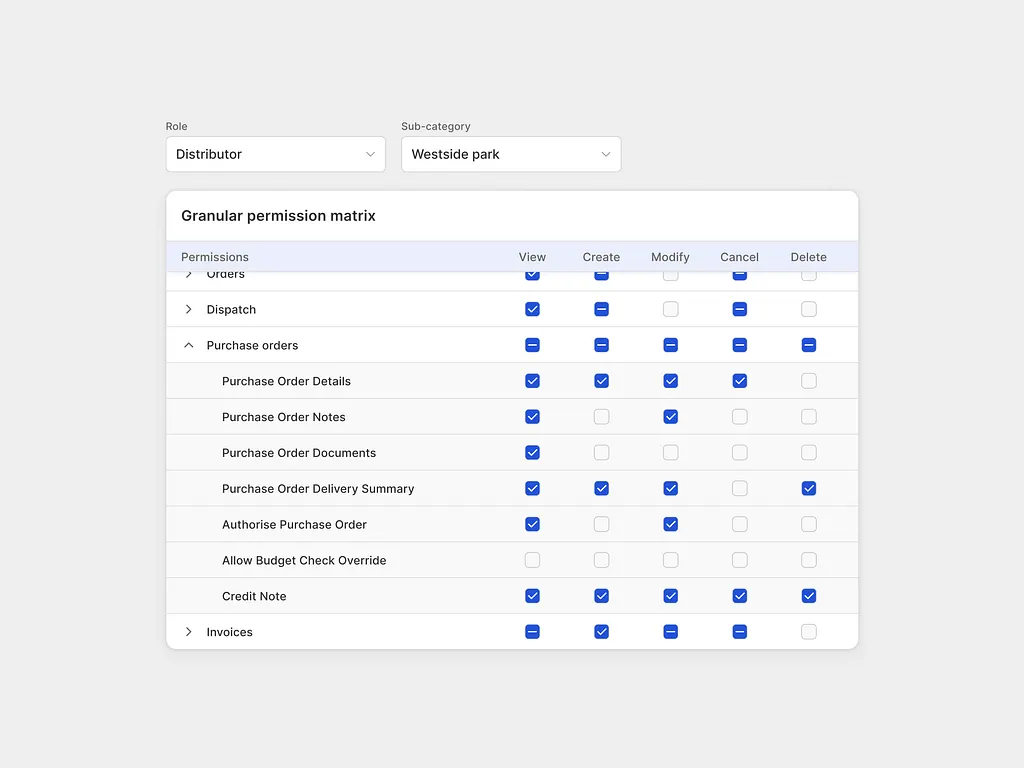
A custom app is a living system. Unlike a static sheet, an app is designed around a workflow. It understands roles—giving your warehouse team exactly what they need on their devices, while giving you a high-level dashboard on your office screen. It handles the "if-this-then-that" scenarios automatically.
Imagine a world where:
Data doesn't just sit in a cell; it triggers an action.
Your software "guards" your processes, making it impossible for a human error to delete a critical formula.
Your business functions as a cohesive tech ecosystem, where information flows effortlessly from the first lead to the final invoice.
This evolution is about shifting from manual data management to a streamlined, automated workflow. By building a dedicated digital architecture, you provide your business with the structural integrity it needs to handle the pressure of rapid scaling.
Turning the Grid into a Growth Engine
The jump from a spreadsheet to a dedicated software solution used to be a terrifying, multi-month ordeal. But the landscape has changed. Today, the most successful companies are the ones that recognize when they’ve hit the "Glass Ceiling" of standard tools and decide to build something that fits them perfectly.
A custom app is an asset you own. It’s a proprietary piece of SaaS built specifically for your unique way of doing things. It doesn't force you to change your habits; it simply automates the parts of your day that shouldn't require your manual attention.
At Swift Struck, this is exactly where we step in.
We don’t just build software; we help businesses move off the grid and into a world of streamlined automation. We specialize in taking those messy, complex spreadsheets and turning them into professional, high-performance tools in a fraction of the time traditional development takes. Whether you need a robust system for your office desktop or a sleek tool for your team in the field, we ensure your tech finally works as hard as you do.
Ready to see what's on the other side of the spreadsheet?