Tech Talks
The Spreadsheet Glass Ceiling: Why 'Standard' Software is Killing Your Scale

Alaap K
4 min read
Jan 12,2026
The Spreadsheet Glass Ceiling: Why 'Standard' Software is Killing Your Scale
It’s 9:30 PM on a Sunday. You’re sitting at your kitchen table, and while the rest of your house is quiet, your mind is racing through Row 452 of a Google Sheet. You’re manually cross-referencing names against an invoice list because, for some reason, the "automation" you set up last month didn't pick up the new client tags.
This is the hidden tax of growth. We call it the Spreadsheet Glass Ceiling.
You can see the next level of your business—more clients, bigger contracts, smoother operations—but every time you try to move toward it, you're pulled back by the weight of manual "duct tape" holding your systems together.
In 2026, the gap between a business that stays small and one that scales isn't about how hard you work. It’s defined by one thing: Proprietary Workflow Logic.
The "All-in-One" Trap: Buying a Box You Don't Fit In
Most founders, when they feel the friction of a growing team, do the same thing: they go shopping. They look for the "Perfect CRM" or the "Ideal Project Management Tool."
They spend $300 a month on a platform that has 400 features, only to realize their team is only using the "Notes" field and a basic status bar.
The Problem: These tools are built for the average business. But if you’re successful, it’s because your business isn't average. You have a specific way of onboarding clients, a unique way of checking inventory, or a specialized data-reporting rhythm.
When you force your unique, winning process into a "standard" software box, you don't just lose efficiency—you lose your competitive edge. You start changing your workflow to fit the software, rather than the software serving your workflow.
The "Zapier Spiderweb" (And Why It Breaks)
We’ve all been there. You connect Typeform to Slack, Slack to Trello, and Trello to a Spreadsheet. It feels like magic for the first week.
Then, one day, a field name changes. Or a connection times out.
Suddenly, you’re spending three hours playing digital detective, trying to find which "link" in the chain snapped. Your team is frustrated because the data didn't sync, and you're frustrated because you've become a part-time IT administrator instead of a CEO.
A "web" of third-party connections is not a system; it’s a digital house of cards. Scaling requires a Centralized Source of Truth—a custom environment where the logic is built-in, not bolted on.
Why Custom Beats Off-the-Shelf (The Low-Code Flip)
With the rise of platforms like Glide and AI-integrated workflows, the "build vs. buy" debate has completely flipped. You no longer need a $100k development budget to have software that actually works the way you do.
Zero Bloat: Imagine an app where every single button serves a purpose. No "Premium Features" you don't need, no confusing sidebars. Just your data, your process, and your results.
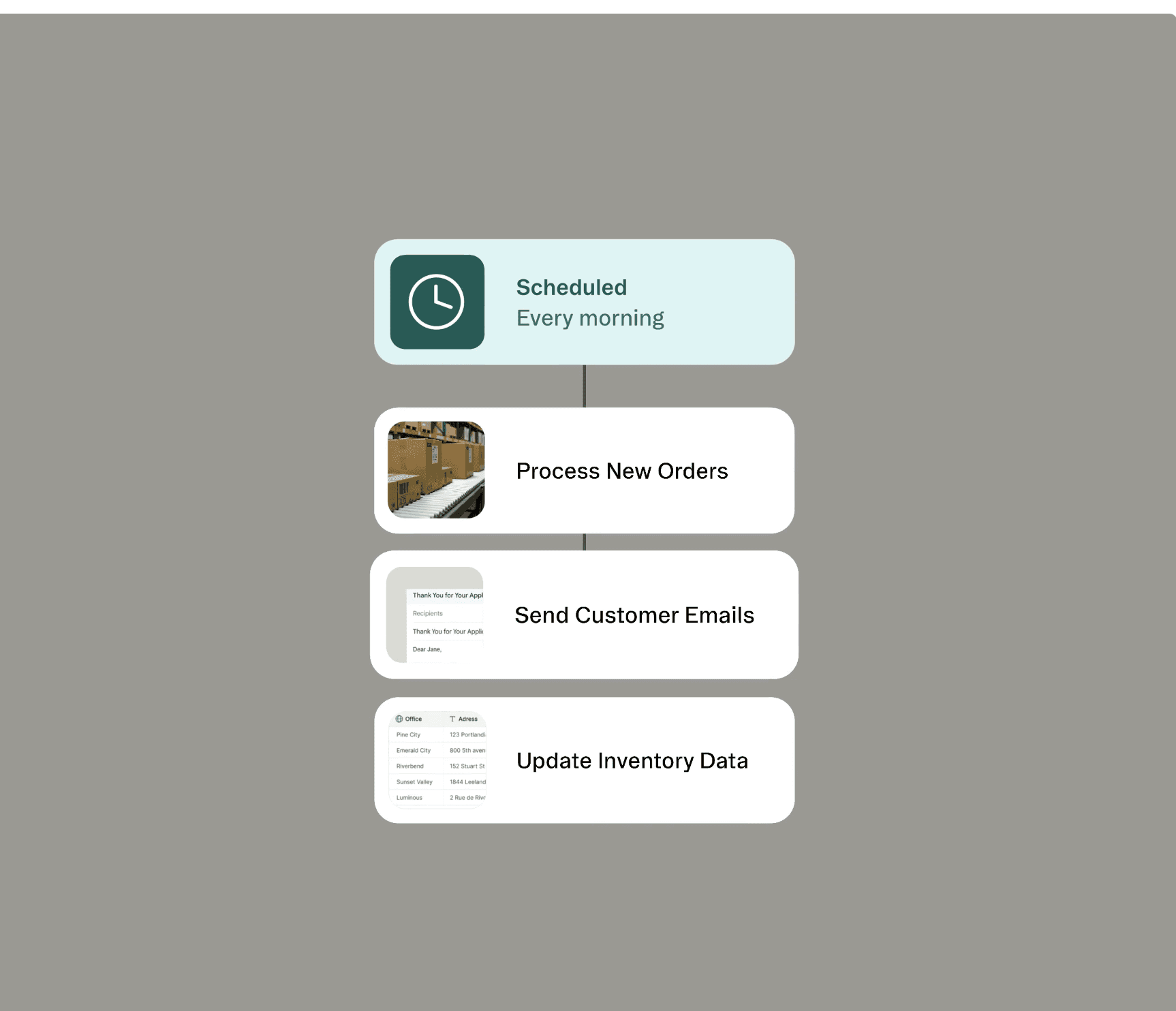
AI Integration by Design: We’ve moved past simple chatbots. Modern custom apps use Agentic Workflows. This means the AI doesn't just "talk" to you; it does things. It sees a project status change to "Complete" and automatically drafts a tailored follow-up email, generates a PDF invoice, and updates your monthly revenue forecast—without you clicking a single button.
Data Sovereignty: Your logic lives in your app. When you rely on a dozen different SaaS subscriptions, your most valuable business intelligence is scattered across platforms you don't own. With a custom internal tool, you own the engine.
How to Spot the Ceiling Before It Cracks
If you’re unsure if you’ve hit the ceiling, look for these three symptoms in your daily life:
1. The "Double Entry" Tax
Your team is entering a client's name in the CRM, then typing it again in the invoicing software, and then manually adding it to a "Master Tracker." This isn't just boring; it’s a massive margin-killer. If your team is spending 20% of their time moving data from Point A to Point B, you are paying a 20% "inefficiency tax" on your payroll.
2. The Hero Dependency
Every business has a "Sarah." Sarah knows exactly how the spreadsheets work. She knows that if you change Column G, you have to remember to update Tab 4. The Risk: If Sarah goes on vacation (or worse, leaves), the "system" collapses. Real scale means the system is the hero, not the individual. The logic should be in the software, not in Sarah’s head.
3. The "Where is it?" Friction
A client calls with a quick question about their order. If your first instinct is to say, "Let me check on that and call you back" because you need to hunt through three different apps to find the status, you’ve hit the ceiling. In a scaled business, that answer should be two taps away.
FAQ: Scaling with Low-Code in 2026
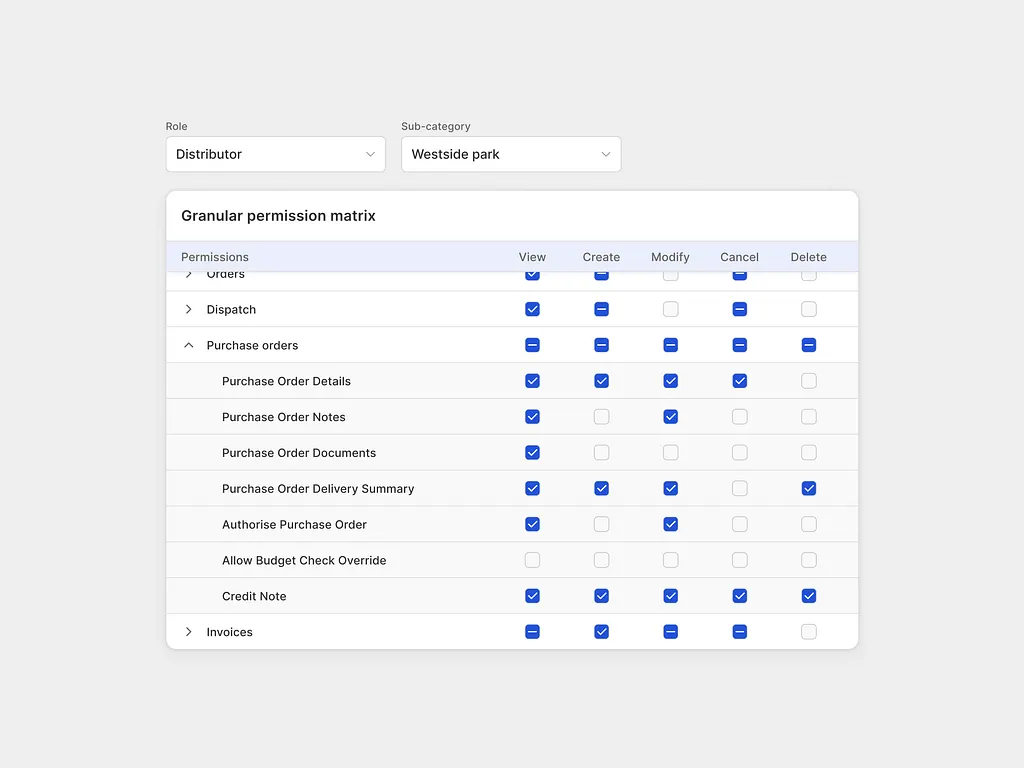
Is low-code secure enough for my client data? Absolutely. Modern platforms allow for granular row-level security. This means your freelancers only see what they need to see, your managers see the big picture, and your private data stays private.
Can AI actually handle my specific business logic? AI shouldn't "run" your business, but it should "oil" the gears. We use AI agents to handle the tedious stuff—extracting data from messy emails, categorizing expenses, or summarizing meeting notes. It gives your team their brainpower back.
The Verdict
The tools that got you to six figures are rarely the tools that will get you to seven or eight.
Stop trying to find the software that fits your business. Build the software that follows your lead. At Swift Struck, we don't just build apps; we break the glass ceiling so you can focus on the "Value" instead of the "How."
Are you ready to stop fighting your tools and start using them? Book a Discovery Call and let’s map out a workflow that actually scales.